In August 1963, “Blue Note” label released “Silver’s Serenade”, the twelve Horace Silver album. It was recorded in May 1963, at “Van Gelder Studio” in Englewood Cliffs, New Jersey, and was produced by Alfred Lion.
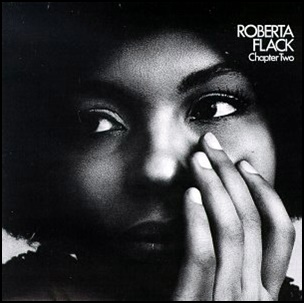
On August 12, 1970, “Atlantic” label released “Chapter Two”, the second Roberta Flack studio album. It was recorded December 1969 – March 1970, at “Atlantic Studios” in New York City, and was produced by Joel Dorn and King Curtis.
Marshall Hawkins, Terry Plumeri, Chuck Rainey – bass guitar
Ray Lucas, Bernard Sweetney – drums
Warren Smith – percussion
Chauncey Welsch, Ernie Royal, Frank Wess, Garnett Brown, George Marge, John Frosk, John Glasel, Trevor Lawrence – horns
Hubert Laws, Joe Gentle – alto and bass flute
Corky Hale – harp
John Swallow – euphonium
Alfred Brown, Arnold Black, Emanuel Green, Gene Orloff, Harry Lookofsky, Joe Malin, Kermit Moore, Leo Kahn, Lewis Eley, Max Kahn, Max Pollikoff, Noel Dacosta, Peter Buonconsiglio, Peter Dimitriades, Raoul Poliakin, Sanford Allen, Selwart Clarke, Seymour Myroff, Tosha Samaroff – strings
Eumir Deodato – conductor, horn and string arrangements
Joel Dorn – arrangements
King Curtis – arrangements, backing vocals
Gene McDaniels – backing vocals
Lew Hahn – recording, remix
Ira Friedlander – design
Jack Robinson – photography
Track listing:
Reverend Lee – Gene McDaniels
Do What You Gotta Do – Jimmy Webb
Just Like a Woman – Bob Dylan
Let It Be Me – Gilbert Bécaud, Mann Curtis, Pierre Delanoë
On July 22, 1972, “Atlantic” label released “Wild Flower”, the seventh Hubert Laws album. It was recorded October – November 1971, in New York City, and was produced by Joel Dorn.
Personnel:
Hubert Laws – flute, alto flute, piccolo, electric flute
Chick Corea – piano
Gary Burton – vibraphone
Ron Carter, Richard Davis – double bass
Bernard Purdie – drums
Ramon “Mongo” Santamaría – congas
Joe Chambers, Airto Moreira, Warren Smith – percussion
Bernard Eichen, Paul Gershman, Harry Lookofsky, Guy Lumia, David Nadien, Gene Orloff, John Pintavalle, Matthew Raimondi, Aaron Rosand – violin
Julian Barber, Selwart Clarke, Harold Coletta, Richard Dickler, Harry Zaratzian – viola
Seymour Barab, Richard Bock, Charles McCracken, George Ricci, Alan Shulman – cello
In June 1959, “Atlantic” label released “Yusef Lateef’s Detroit”, the 26th Yusef Lateef album. It was recorded in February 1969, at “Century Sound Studios” in New York City, and was produced by Joel Dorn.
Personnel:
Yusef Lateef – vocals, alto and tenor saxophone, flute, oboe
Thad Jones, Danny Moore, Jimmy Owens, Snooky Young – trumpet
Eric Gale – guitar
Hugh Lawson – piano
Cecil McBee – bass
Chuck Rainey – electric bass
Bernard Purdie – drums
Roy Brooks – drums
Ray Barretto, Norman Pride – congas
Albert Heath – percussion
Selwart Clarke, James Tryon – violin
Alfred Brown – viola
Kermit Moore – cello
Track listing:
All compositions by Yusef Lateef, except where noted.
Bishop School
Livingston Playground
Eastern Market
Belle Isle
Russell and Elliot
Raymond Winchester
Woodward Avenue
That Lucky Old Sun – Haven Gillespie, Beasley Smith
On June 20, 1969, “Atlantic” label released “First Take”, the debut Roberta Flack studio album. It was recorded in February 1969, at “Atlantic” in New York City, and was produced by Joel Dorn. In 2020, “Rolling Stone” magazine ranked “First Take” at number 451 on its list of “500 Greatest Albums of All Time”.
Personnel:
Roberta Flack – vocals, piano
Bucky Pizzarelli – guitars
Ron Carter – bass
Ray Lucas – drums, percussion
Seldon Powell, Frank Wess – saxophone
Jimmy Nottingham, Joe Newman – trumpet
Benny Powell – trombone
Emanuel Green, Gene Orloff – violin
Alfred Brown, Selwart Clarke, Theodore Israel – viola
Charles McCracken, George Ricci – cello
William S. Fischer – horn and string arrangements, string conducting
William Arlt – recording
Bob Liftin – remix
Stanislaw Zagorski – design
Ken Heinen – photography
Track listing:
Compared to What – Gene McDaniels
Angelitos Negros – Andrés Eloy Blanco, Manuel Álvarez Maciste
Our Ages or Our Hearts – Robert Ayers, Donny Hathaway
I Told Jesus – traditional, arranged by Roberta Flack
Hey, That’s No Way to Say Goodbye – Leonard Cohen
The First Time Ever I Saw Your Face – Ewan MacColl
Tryin’ Times – Donny Hathaway, Leroy Hutson
Ballad of the Sad Young Men – Fran Landesman, Tommy Wolf
On June 14, 1968, “Atlantic” label released “The Inflated Tear”, the 15th Roland Kirk album. It was recorded in November 1967, and was produced by Joel Dorn.
In February 1968, “Atlantic” label released “I Believe to My Soul”, the twelve Junior Mance album. It was recorded in September 1966 – August 1967, in New York City, and was produced by Joel Dorn.
Personnel:
Junior Mance – piano
David Newman, Frank Wess – tenor saxophone
Hubert Laws – tenor saxophone, flute
Bobby Capers, Haywood Henry – baritone saxophone
Melvin Lastie, Joe Newman, Jimmy Owens – trumpet
Bob Cunningham, Richard Davis – bass
Jimmy Tyrell – electric bass
Alan Dawson, Ray Lucas, Freddie Waits – drums
Ray Barretto – congas
Sylvia Shemwell – vocals
Arif Mardin – arrangements
Gene Orloff – strings conductor
Bruce Tergesen – engineer
Phil Lehle – engineer
Rob Grenell – mastering
Marvin Israel – front cover design
Lee Friedlander – photography
Ray Spaulding – liner notes
Track listing:
All tracks by Junior Mance, except where noted.
I Believe to My Soul – Ray Charles
A Time and a Place – Jimmy Heath
Sweet Georgia Brown – Ben Bernie, Maceo Pinkard, Kenneth Casey
In December 1972, “Atlantic” label released “A Meeting of the Times”, album by Rahsaan Roland Kirk and Al Hibbler (the 21st Rahsaan Roland Kirk album overtall). It was recorded in March 1972, at “Atlantic Studios” in New York City, and was produced by Joel Dorn.
On November 7, 1972, “Atlantic” label released “The Divine Miss M”, the debut Bette Midler studio album. It was recorded 1971 – 1972, at “Atlantic Recording Studios” in New York City, and was produced by Ahmet Ertegun, Barry Manilow. Geoffrey Haslam and Joel Dorn. The album was certified Platinum in US and Canada.
In April 1966, “Atlantic” label released “Money in the Pocket”, the debut Joe Zawinul album. It was recorded in February 1966, at “Atlantic Studios” in New York City, and was produced by Joel Dorn.