
On January 19, 1998, Carl Lee Perkins died aged 66. He was musician (guitar), singer and songwriter, nicknamed “The King of Rockabilly). His song “Blue suede shoes” was the first “Sun Records” label million seller. Perkins was inducted into the “Rock and Roll, the Rockabilly, and the Nashville Songwriters Halls of Fame” and was a “Grammy Hall of Fame Award” recipient.
Monthly Archives: January 2015
George Harrison: My Sweet Lord
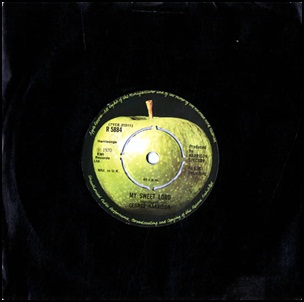
On January 15, 1971, “Apple” label released “My Sweet Lord”, the first George Harrison single as a solo artist. It topped charts worldwide and was the biggest selling single of 1971 in the UK.
The Who: I Can’t Explain

On January 15, 1965, “Brunswick” label released “I Can’t Explain / Bald Headed Woman”, single by The Who. It is band’s first single released under the name “The Who”, their previous single, “Zoot Suit /I’m the Face,” was released under the name “The High Numbers”. The song “I Can’t Explain” was produced by Shel Talmy. Jimmy Page played rhythm guitar as a session guitarist.
Eric Clapton’s Rainbow Concert
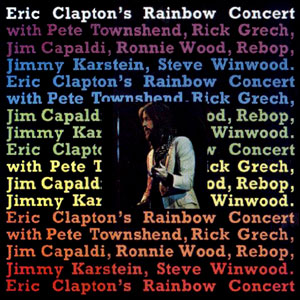
On January 13, 1973, Eric Clapton held a concert at the “London’s Rainbow Theatre”. The concert was organised by Pete Townshend and marked Clapton’s comeback after two years of inactivity caused by drug addiction and,broken only by his performance at the “Concert for Bangladesh” in August 1971. Along with Townshend, the musicians supporting Clapton include Steve Winwood, Ronnie Wood and Jim Capaldi. On September 10, 1973, “RSO” label released album titled “Eric Clapton’s Rainbow concert”.
Ronny Jordan
On January 13, 2014, Ronald Laurence Albert Simpson aka Ronny Jordan died aged 47. He was musician (guitar) and songwriter, with a recognizable “urban jazz” style, a blend of jazz, R&B and hip-hop. Jordan was at the forefront of the acid jazz movement at the end of the twentieth century. Jordan recorded eight albums and received “The MOBO Best Jazz Act Award” and “Gibson Guitar Best Jazz Guitarist Award”.
Donny Hathaway
On January 13, 1979, Donny Edward Hathaway died aged 34. He was musician (piano, keyboards), singer and songwriter, started successful career after signing contract with “Atlantic Records” in 1969 and after releasing his first single for the “Atco” label, “The Ghetto, Part I”. The “Rolling Stone” magazine “marked him as a major new force in soul music” in 1970 and his collaboration with Roberta Flack won him the “Grammy Award” for “Best Pop Performance by a Duo or Group with Vocals” for the duet, “Where Is the Love” in 1973. On January 13, 1979, Hathaway’s body was found outside the luxury hotel “Essex House” in New York City; his death was ruled a suicide.
Led Zeppelin: Same
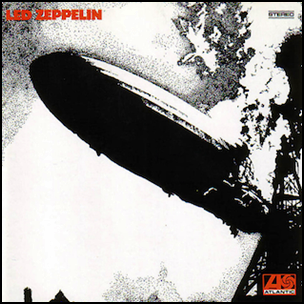
On January 12, 1969, “Atlantic” label released the self-titled, debut Led Zeppelin album. It was recorded October 1968 at “Olympic Studios” in London in only 36 hours, and was produced by Jimmy Page. The album art was coordinated by George Hardie; the back cover photography of the band was taken by former Yardbirds member Chris Dreja. “Rolling Stone” magazine ranked the album at number 29 on its of the “500 Greatest Albums of All Time”; in 2004 it was inducted into the “Grammy Hall of Fame”.
Personnel:
- Jimmy Page– acoustic, electric and pedal steel guitars, backing vocals
- Robert Plant– lead vocals, harmonica
- John Bonham– drums, timpani, backing vocals
- John Paul Jones– bass guitar, Hammond organ, backing vocals
- Viram Jasani– tabla
- Glyn Johns – engineer
- Peter Grant– executive production
Track listing:
- Good Times Bad Times – Jimmy Page, John Paul Jones, John Bonham, Robert Plant
- Babe I’m Gonna Leave You – Anne Bredon, Jimmy Page, Robert Plant
- You Shook Me – Willie Dixon, B. Lenoir
- Dazed and Confused – Jimmy Page, inspired by Jake Holmes
- Your Time Is Gonna Come – Jimmy Page, John Paul Jones, Robert Plant
- Black Mountain Side – Jimmy Page
- Communication Breakdown – Jimmy Page, John Paul Jones, John Bonham, Robert Plant
- I Can’t Quit You Babe – Willie Dixon
- How Many More Times – Jimmy Page, John Paul Jones, Robert Plant, John Bonham
The 10 Greatest Double Albums of All Time
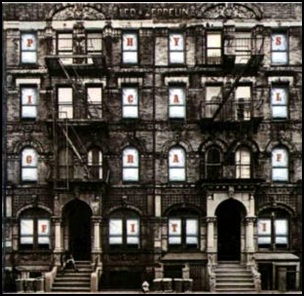
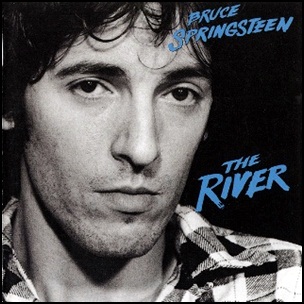
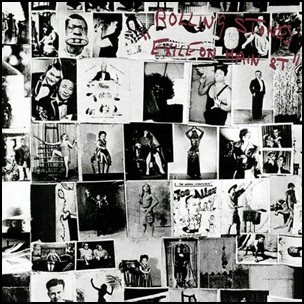
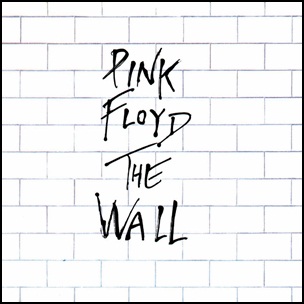
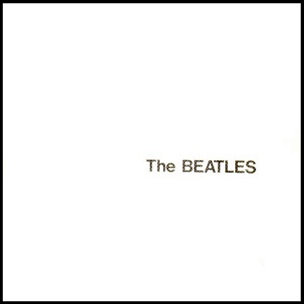
On January 9, 2014, magazine “Rolling Stone” published the Readers Poll ”The 10 Greatest Double Albums of All Time”. The top 5 albums were:
No.5. Led Zeppelin: Physical Graffiti
No.4. Bruce Springsteen: The River
No.3. The Rolling Stones: Exile on Main Street
No.2. Pink Floyd: The Wall
No.1 The Beatles: White Album
Charlie Watts
On January 9, 1963, Charlie Watts joined “The Rolling Stones”. Previously he was drummer in the band “Blues Incorporated”.
Charles Mingus
On January 5, 1977, Charles Mingus Jr. Died aged 57. He was musician (bass), composer and bandleader, regarded as one of the most creative and influential Jazz artists of all times.
For his work and contribution to the modern music, Mingus has received many awards including:
- “Guggenheim Fellowship” (1971).
- Inducted in the “Down Beat Jazz Hall of Fame” (1971).
- “National Endowment for the Arts” provided grants for a Mingus nonprofit called “Let My Children Hear Music” which cataloged all of Mingus’s works (1988)
- “The Library of Congress” acquired Mingus’s collected papers in what they described as “the most important acquisition of a manuscript collection relating to jazz in the Library’s history.(1993)]
- “The United States Postal Service” issued a stamp in his honor (1995).
- Posthumously awarded the “Grammy Lifetime Achievement Award” (1997)
- Album “Mingus Dynasty”(1959) inducted in the “Grammy Hall of Fame” (1999)
- Inducted in the “Jazz at Lincoln Center”, Nesuhi Ertegun “Jazz Hall of Fame” (2005)
Mingus has recorded and performed with some of the most important musicians of the modern music, including: Illinois Jacquet, Dinah Washington, Wilbert Baranco, Ivie Anderson, Lionel Hampton, Red Norvo, Billy Taylor, Oscar Pettiford, Max Roach, Bud Powell, Paul Bley, Teo Macero, Oscar Pettiford, Ada Moore, Charlie Parker, J.J. Johnson, Hazel Scott, John Mehegan, Thad Jones, John Dennis, Ralph Sharon, Miles Davis, Teddy Charles, The Metronome All-Stars, Jimmy Knepper, Langston Hughes, Duke Ellington, Max Roach and Eric Dolphy.
 musicalphabet